Websites for home-service trades

The phone is answered.
Now the shop has an address.

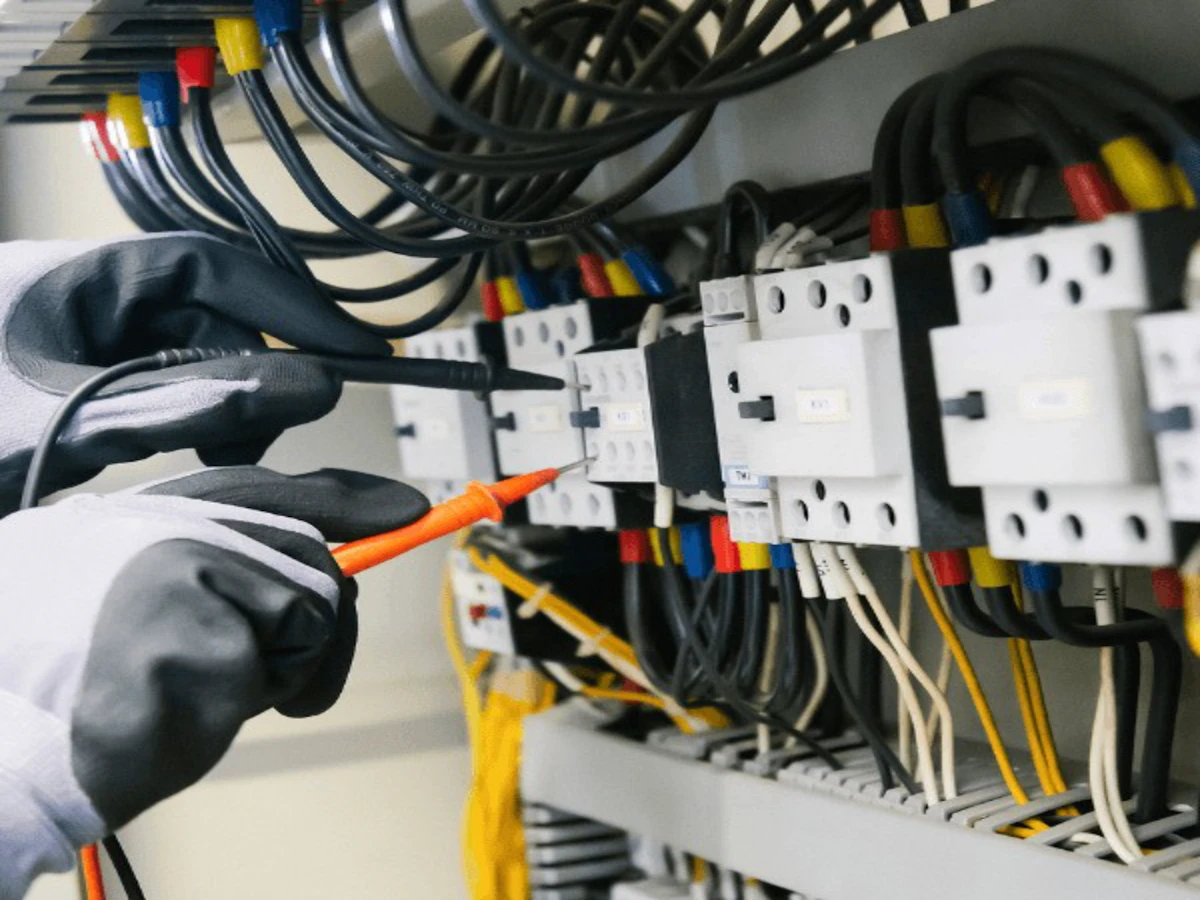
A site carrying the same services, hours and service area your assistant already answers with — written for the trade, not adapted from a restaurant theme. Six working samples are below — a solo electrician in Oakland, an electrical company in Austin, a Tucson HVAC shop as one van and as nine, and two plumbers, one in Portland and one in Minneapolis — and you can click through every page of any of them.

Two shapes · electrical

A one-person shop does not talk like a company.

So there are two, and they are not the same pages with a different logo — two different shops, in different type and colour, written page by page. The solo site never says “our team” or “dispatch”, because a customer can tell, and a site that claims a crew the shop does not have is the first thing that loses the job.

Two sizes · HVAC

Written for Tucson in August — at one van, and at nine.

Not the electrician’s pages with the nouns swapped. The symptom picker, the repair-or-replace table and the line about sizing a system by load calculation mean nothing in another trade — and somebody whose AC died on a Sunday can tell which pages were written for them.

These two are one shop at two sizes rather than two different shops, so you can read the same business grow: the solo pages say “I”, the company pages put a dispatch board on the front and a light-commercial line in the services.

Two cities · plumbing

Two plumbers who would never write the same page.

The electrical pair are two shops in one trade and the HVAC pair are one shop at two sizes. These two are further apart than either: different cities, different housing, different problem. Portland is pre-war stock with cast iron and roots in the lateral; Minneapolis is four months below freezing and a lot of buildings with forty tenants in them.

They also look nothing like the four above, on purpose. Three of those share one design system, and a sixth page in it would have started to prove the opposite of the point — so this pair is set in its own: printed rules, a slab headline, and no photograph on the first screen at all.