01
It answers on your line
You forward the number that's on the van. The assistant picks up there, opens with your greeting, and introduces itself as your shop's scheduling assistant.
AI answering service for electricians
You're at a panel with a meter in one hand and the phone is ringing in the van. KeepRing answers on your line, asks the questions you wrote, and books the job into a slot that is actually open.
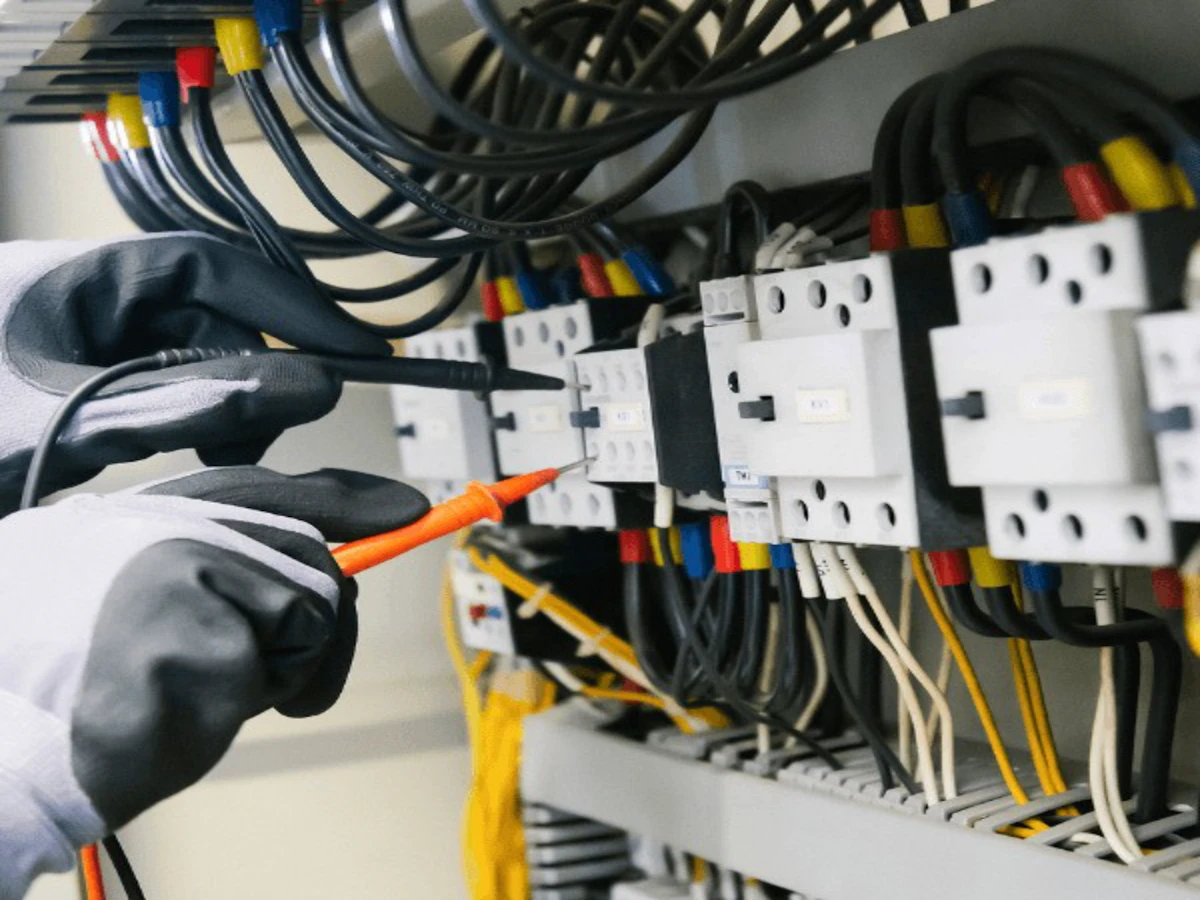
Both hands busy · the phone still rings
On the call
What stopped working, what else went out with it, whether a breaker has tripped, is it a house or a rental, what's the address, when can we come. KeepRing asks the ones you wrote, in the order you wrote them, on every call — the 6 PM one and the 3 AM one alike. A tripping breaker, a panel upgrade, an EV charger, a whole-home generator: the services are yours, and so are the prices.
Booked Thursday 1–3 PM · Panel diagnostic $145, your rate
01
You forward the number that's on the van. The assistant picks up there, opens with your greeting, and introduces itself as your shop's scheduling assistant.
02
The intake is built per shop — your services, your wording, the things you want said and the things you want refused. Not a generic script with your name pasted on.
03
Your service area, your travel radius, your excluded ZIP codes and your opening hours, including the ones that run past midnight. A caller outside your coverage is told your rule rather than quietly turned away.
04
A real open slot gets claimed on the spot. When booking isn't right, you get a structured message instead of "call this guy back".
Money
Every service you offer is set up one of four ways, and the assistant reads from that and nothing else. An outlet swap you priced at a flat rate gets quoted flat. Fault finding you bill by the hour gets quoted by the hour. A panel upgrade you left unpriced gets booked without a number attached, because inventing one is how a callback turns into an argument.
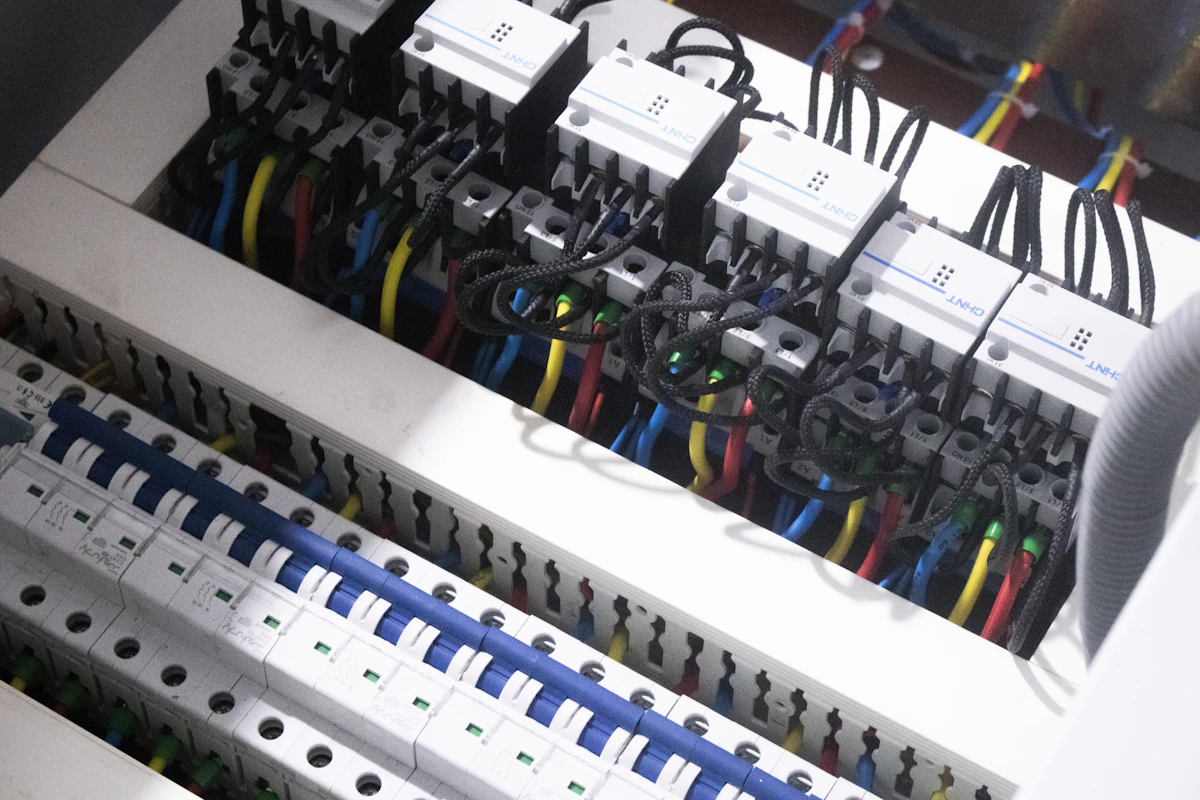
Priced from your list, not a guess
After the call
The job, the address, the callback number and the time that was booked, sent to you as a message — not a notification badge you find on Monday.
Every call is recorded and transcribed and kept. When a customer says they were quoted something else, the call is there to check.
Bookings, messages, callers and calls land in your KeepRing dashboard, and the booking is yours to move, reprice or cancel like any other.
The alternative
Voicemail
KeepRing
Setup
Step 1
Services and prices, opening hours, the areas you cover and the ones you don't, your greeting, and anything the assistant should never say.
Step 2
Keep the number. Forward everything, or only what you miss. Turn forwarding off and calls come straight back to you.
Step 3
Every call is in the dashboard with its recording. Anything worded wrong is a change to your setup, and the next caller hears the fix.
Questions
No. The number on your van stays the number on your van. You forward your existing line to KeepRing and it answers there. Turn forwarding off any time and calls go straight back to you.
Only what you have priced. You set each service up as a fixed price, an hourly rate, or a base price plus an hourly rate, and the assistant quotes from that. A service you have not priced gets booked with no number attached to it.
You define coverage as named areas, a travel radius in miles, or excluded ZIP codes, and the assistant says that coverage rule out loud to a caller who falls outside it. It does not hang up on them and it does not refuse the job — the caller is told where you work and the request still reaches you, so the decision to drive out stays yours.
No. It answers every call the same way, and it does not judge how urgent a job is or give the caller advice about it. It asks the questions you wrote, then books or takes a message. A caller who wants a person is warm-transferred to the number you nominate.
No. Availability is checked before a time is offered, and the slot is claimed atomically as the booking is written, so two callers on two lines can't take the same window.
About twenty minutes of questions — your services and prices, your hours, your service area, your greeting, and the things you want the assistant to say and refuse to say — then you forward your line.
Your website
KeepRing builds electrical shops a website of their own — the same services, hours and service area the assistant already answers with. Two of them are below, and you can click through either one.
Written the way a sole owner-operator talks — first person, no invented crew, no dispatch desk. Nine pages: every service priced from and explained, the areas one van covers, the reviews, and the questions people actually ring to ask.
A different shop, a different look, and the pages a bigger one needs: the people, commercial work, and the licence and insurance a property manager checks before they call.
They are samples. Both businesses are invented, so are the reviews, and neither number is a real line. The photographs stand in for your own job photos. Each one is a site of its own rather than one site with a switch, because that is what the difference between a one-person shop and a company actually looks like.
Also for
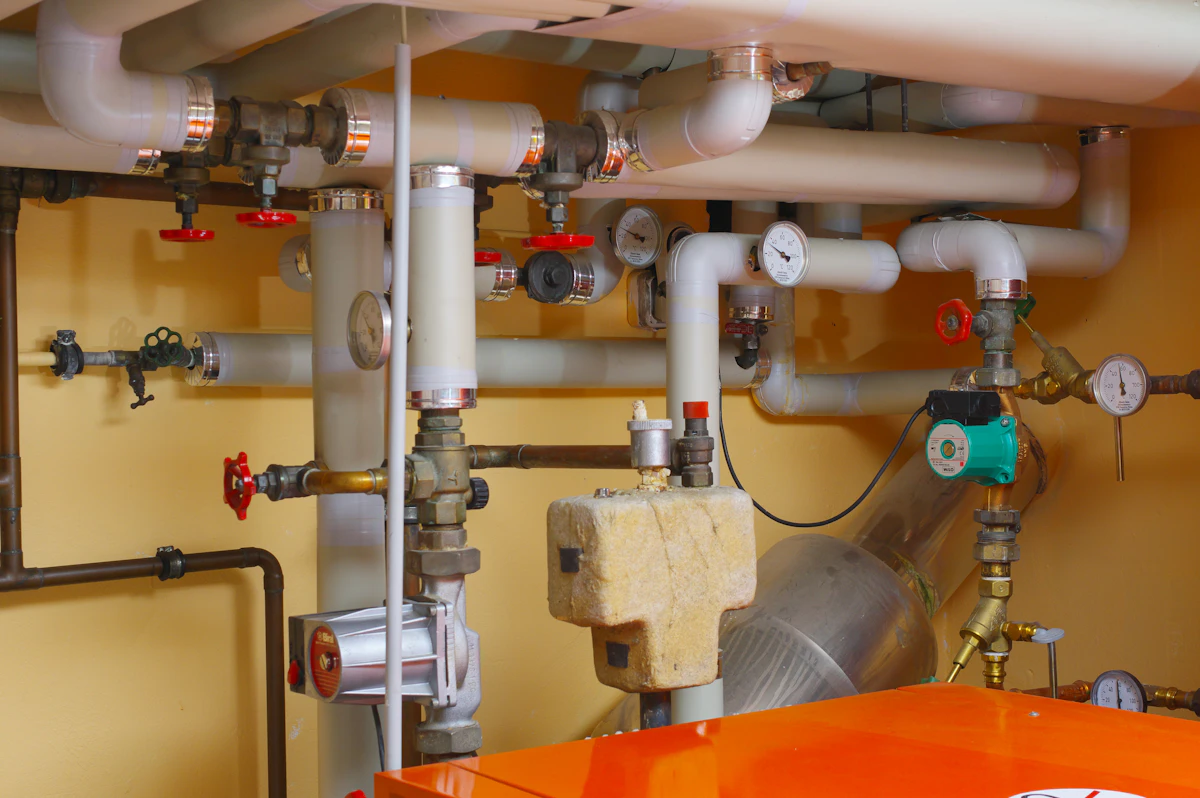
Water coming out of something it shouldn't, at an hour nobody wants to drive — with the fixture, the address and the callback number written down before anyone sets off.
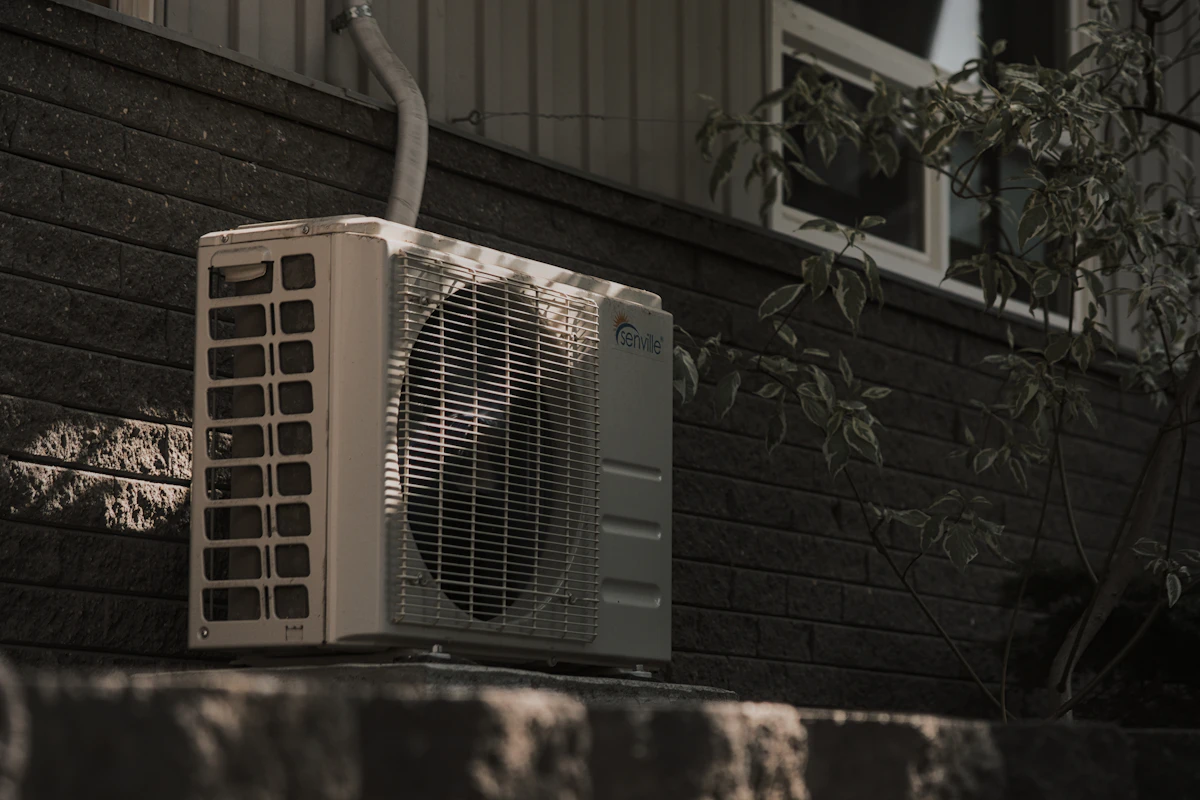
Callers with no heat, no cool, or a unit making a noise they can't describe — and the make, model and age you need written down before anyone drives out.
Book a demo and we'll set the assistant up with your services, your hours and your area, then you call it and describe a job the way your customers do.